
There is a reason to be mindful of pressure washer safety in Australia. Be inattentive with one of these machines and you will have paint stripped, skin lacerated, wiring compromised, debris in your eyes and stormwater clogged with your runoff. For the abridged version on outdoor safety here in Australia there are five imperatives: put on the correct PPE, pick your nozzle and pressure with care, manage any water or chemical runoff, stay away from fuel and electrical dangers and do not be inventive with ladders.
Liliana Ashcroft here. I will be frank about it: a pressure washer has an innocent look to it until the moment it does not. This guide is for the tradie with a stack of jobs, the renter putting some order in a courtyard or the homeowner who has just left Bunnings. We will go over the sensible rules of the road, where people tend to make mistakes and how to prevent a shambles of your nerves as well as your deck, walls and driveway.
Respect The Job
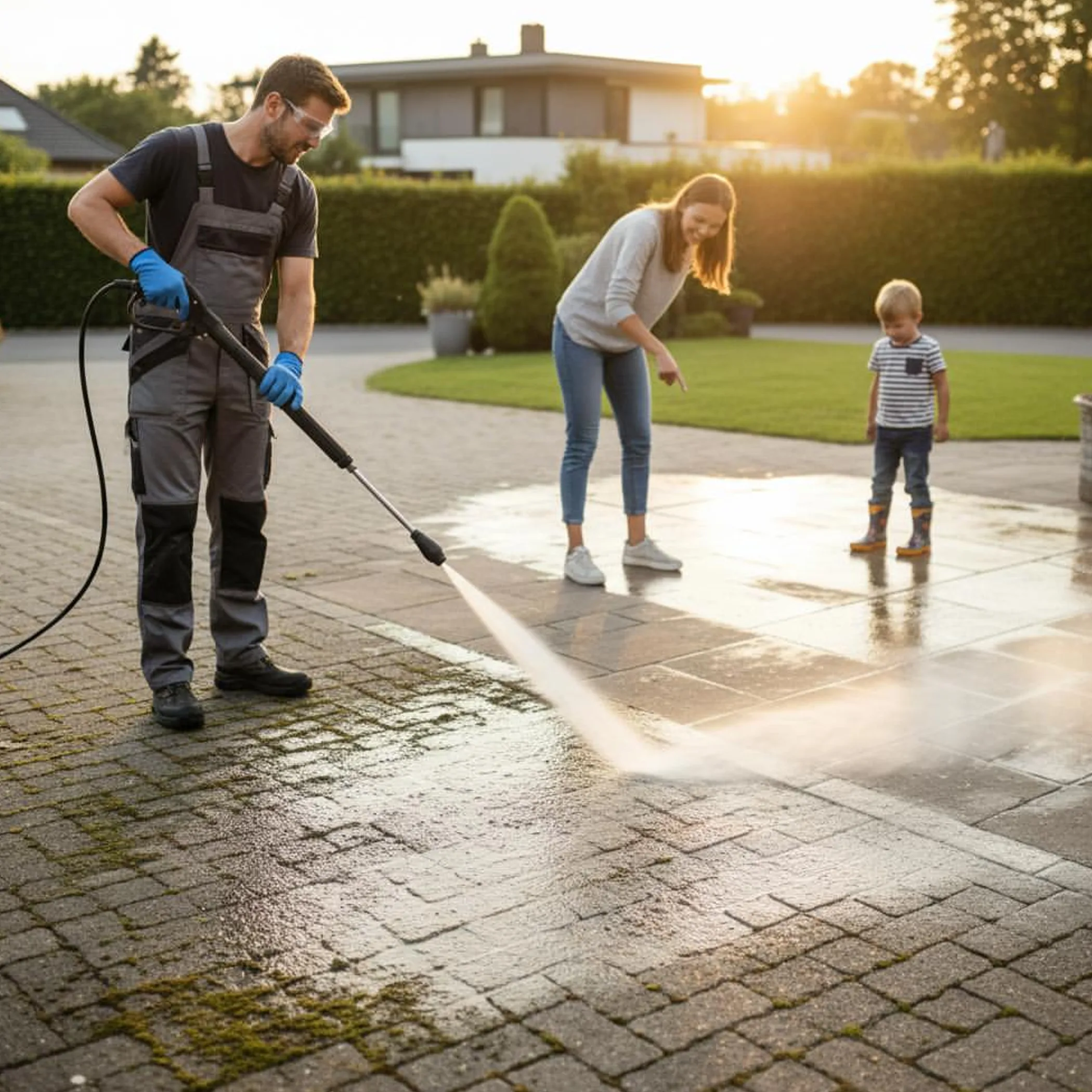
You will find some local peculiarities when pressure washing outdoors in Australia. Between the hard sun and mouldy paths in the shade, sloping driveways and stormwater, or petrol equipment in a confined area, and patchy extension leads, a routine clean can become a headache. It’s important to know the prime season for driveway cleaning.
It is understandable to be preoccupied with getting the grime off. Yet the more pertinent question is can you do the job without harm to yourself or the surface, without riling the neighbours or running detergents out to the kerb drain?
For Whom
Homeowners, facility staff, renters, cleaners and tradies will find this useful for work on garden hardscapes, fences, small commercial fronts, and the like. It applies whether you have hired a machine at the hardware store or are weighing up what Jim’s Cleaning, Melbourne Jetter Centre, Jetblaster, Westlink, Mi-T-M or a retailer might have to say.
Do not mistake it for training in industrial high-pressure water jetting. Where you have live electrical risk, hazardous chemicals, roof work or commercial plant in a confined space, a home guide will not give you the controls required.
Put On The Proper Gear
The advice is soundest before you fire up the machine. You may think the gear is a bit of a bore until something like a piece of bark or concrete comes at your face at velocity.
If you have any regard for your skin, fingers and toes then PPE is not something you can forgo. Petrol models bring noise and exhaust to the equation and even a domestic unit will put grit into exposed skin.
- Goggles or a face shield for ricochet
- Hearing protection (petrol units in particular)
- Waterproof non-slip boots; wet soap and overspray make a driveway as slick as ice
- Gloves with a grip that is water resistant
- Fitted sleeves and long pants
- A respirator if the label or the work demands it
Some will don their shorts and thongs and a pair of sunnies and consider themselves set. A bad plan. Sunglasses are no match for sealed eye protection and you should not be in bare feet with a high-pressure lance about.
Preparation
Do not go straight for the trigger, attend to the area first. Allow five minutes to put things right, check the hoses and move furniture. People are in a hurry to get at the mould after a wet spell but take your time and the rest of the task will be easier.
Test It Out
Make a test spray on an unobtrusive spot. Age, heat, sealants and the quality of the paint will dictate how a surface reacts.
I was taught that lesson by an old painted timber screen which gave me the impression of being sturdier than it proved to be. An overconfident pass and the finish came up quicker than a possum scaling a fence. I adjust my approach after a test now.
The Zone Must Be Kept Clear
It is best to have children, pets and any onlookers at a good distance from where you are working. A dog making a dash behind you when you have a live wand in hand is no laughing matter; besides, the flying grit and overspray will go further than one might expect.
See that cars are parked beyond splash range and put the windows in. Relocate your pot plants, outdoor cushions and electrical items. A visible warning is called for if the work is in proximity to a unit accessway or path so as not to have people coming through while you are at it.
Proper Use of The Wand
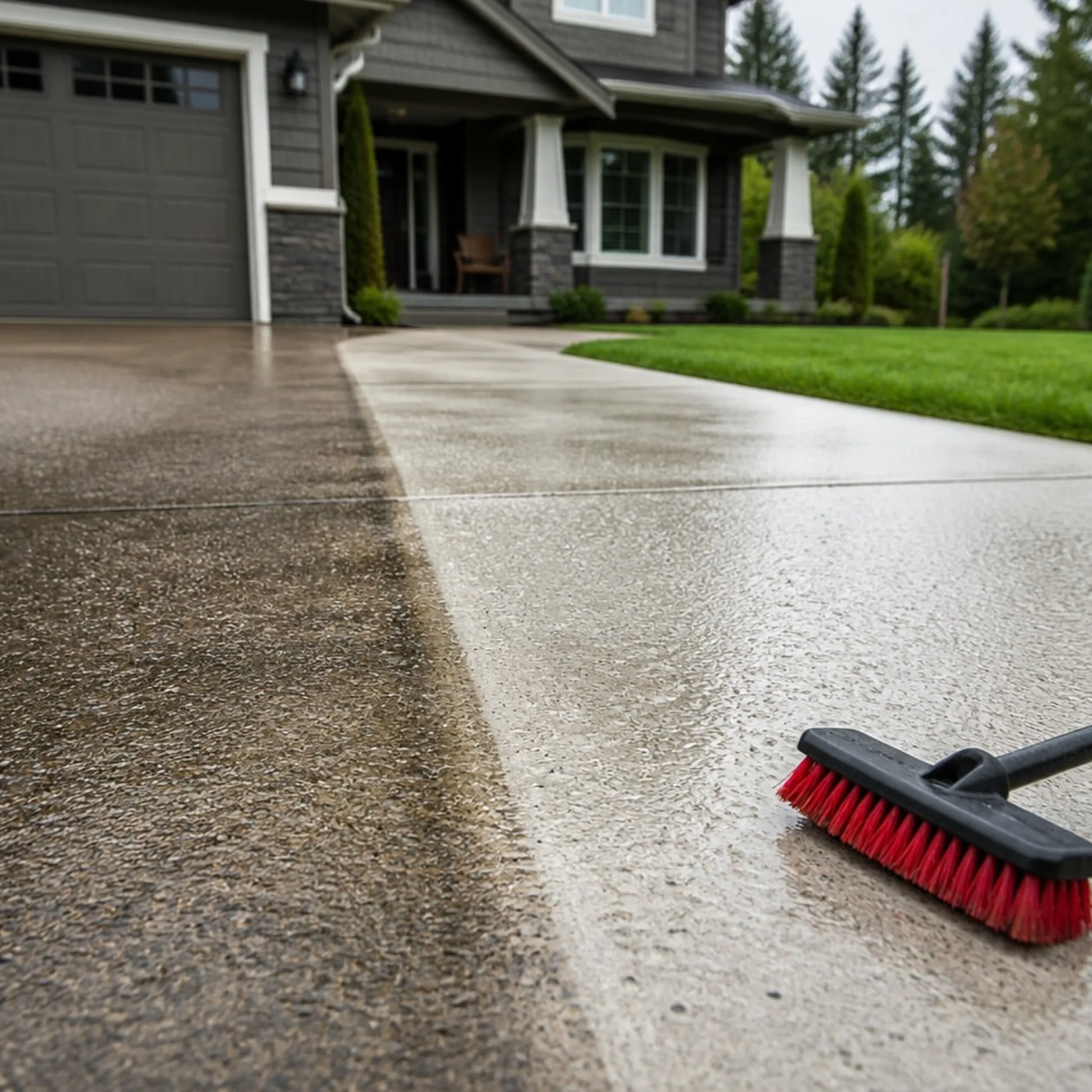
Give the business end of the pressure washer your undivided attention. One does not need to be sloppy with body position or make a poor nozzle selection to invite surface damage and the kind of injuries that are entirely preventable.
Take this rule to heart: do not direct the spray at yourself (boots included), power points, or anyone and anything living. Equally important is the injunction against using a ladder with a pressure washer.
A Question of Nozzles
What you put on the pressure washer will determine the cutting power and the level of safety. To clean a broad expanse a 40° fan nozzle is a safer way to begin, as it disperses force over more ground. Go in with a 15° narrow nozzle and you will find it much more apt to etch concrete or strip a coating if you get too close.
For the average domestic job outside, employ the widest fan pattern you can and only increase from there. Two hands on the lance, a braced stance and let the spray move across the surface instead of dwelling in one place.
Do Not Use A Ladder
You could easily be unbalanced by the trigger’s recoil on a wet surface. Hence the plain advice in every dos and don’ts list: never use a pressure washer on a ladder. Should you be unable to reach something from the ground without risk, call in a pro or try an extension tool or soft washing at lower pressure. You would not want to be the one recounting a tale of falling off a ladder with a live spray gun in hand.
Dealing With Power And Fuel
This is what turns a backyard project on its head. Petrol engines bring exhaust risks that are all too often underappreciated and water has never been known to coexist well with electricity.
An electric pressure washer may be the simpler option for a suburban task but only with the right management of plugs, safety switches and cords. A petrol model gives you the mobility and power but demands fuel care and ventilation.
Outdoors and Electrical Safety
Make sure the outlet is RCD/GFCI protected; in Australia that is a matter of seeing to it there is a residual current device on the circuit or having a portable one to hand. Extension leads and joins should be kept clear of the spray and any puddles, do not run a cord through standing water. A look at the cable insulation is in order before you start, and if fraying or loose fittings are apparent, put it down. Safe Work Australia are quite clear that in hostile environments such as wet areas, residual current devices are essential to mitigate the chance of shock. Their present guidance on electrical safety is worth a review.
Ventilation For Petrol Engines
With a petrol unit the carbon monoxide hazard is no figment of the imagination. Do not have a petrol pressure washer running in a garage or enclosed courtyard, or where the exhaust can be drawn in through an open door or window. Carbon monoxide will catch you out because there is no odour to it. If the spot is semi-enclosed, leave the petrol machine for it and put an electric one to work, or take it somewhere with proper airflow.
Appropriate Pressure For The Surface
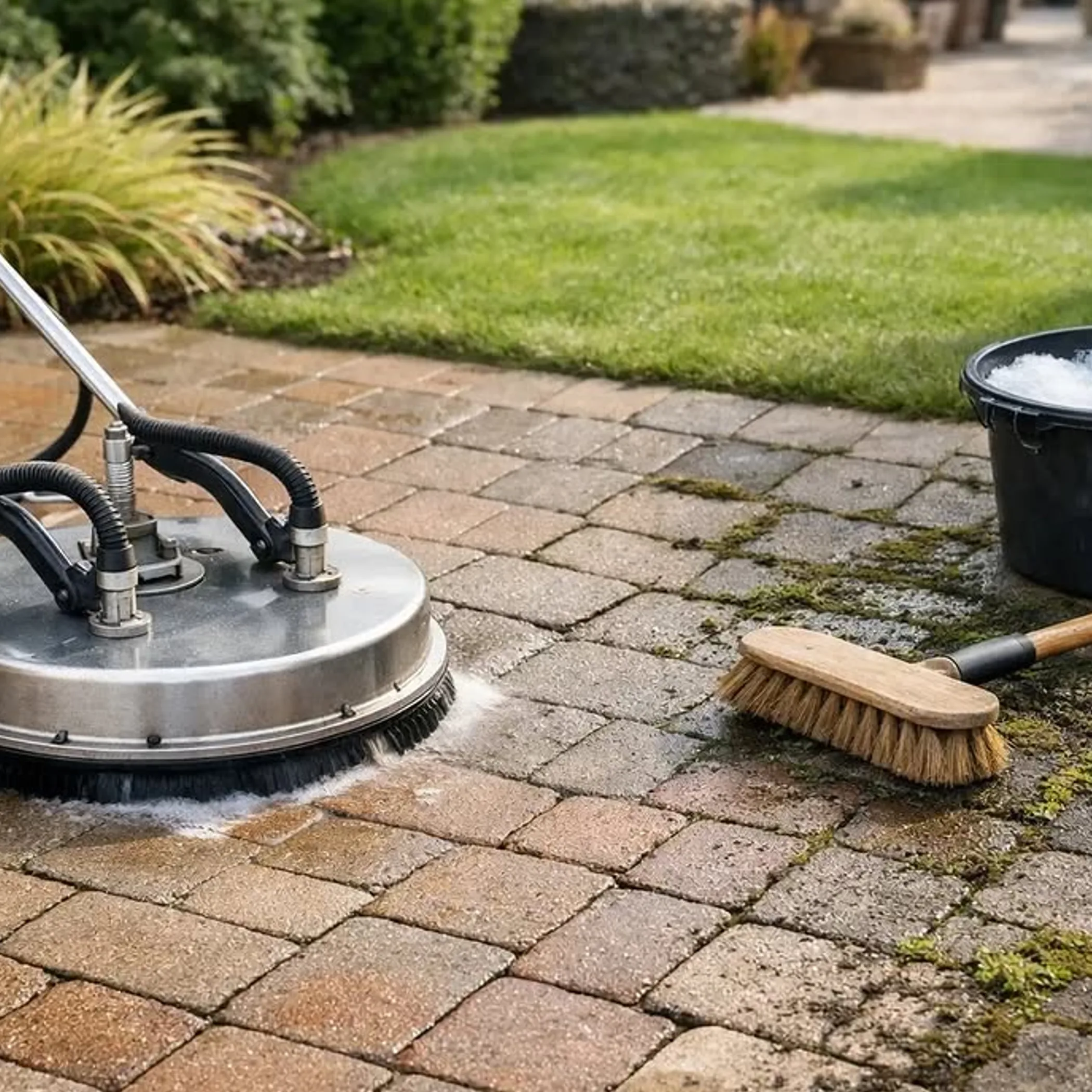
In the end the lowest effective clean is the safest. Apply too much PSI or stand in too close and you will be scarring the concrete, splintering timber or ruining a paint job. Some would think greater pressure yields better results but technique is usually superior to brute force.
Driveways, Timber and the like
| Surface | Safer Starting Approach | What Catches People Out |
| Concrete driveway | A 40° wide fan nozzle and some moderate pressure to start with; put on more if the situation calls for it. | This is for etching lines, blasting weak joints and getting at old sealers. |
| Painted timber deck | Test first, then use a wider spray from further off and at low pressure. | The water can be driven into joins, stripping paint and furring the wood grain. |
| Pavers | Steady passes with a controlled fan spray will do | Removing jointing sand and any edges that have been destabilised. |
| Rendered wall | Tread very lightly with a low-pressure or soft wash. | One does not want to force water behind the finish or blow out cracks. |
| Outdoor furniture and screens | From a distance and with a light setting only | Otherwise you risk chipping coatings and bending what is not as hard as it looks. |
When you are faced with a grimy driveway and have but a day for it, make the broad open area your priority over the fiddly bits. You will find it easier to keep a consistent spray and a safe stance on open ground than in the vicinity of garden beds, steps, drains and narrow side paths.
Surfaces To Avoid
There are materials for which a standard high-pressure cleaner is no good: corroded metal, roof cavities, solar fittings, anything with lead-paint risk, old weatherboards, delicate stone, window seals or damaged mortar. And if there is a chance of forcing water into the building envelope, put the trigger down and have another think. That is part of safety.
Control Runoff And Chemicals
Where the dirty water is going is something many overlook. Outdoor wash water has a way of carrying oils, detergents, sediment, mould and paint residue to the stormwater system. In an Australian city your stormwater drain is unfiltered and leads to the local waterway; the sludge from your driveway will end up in the bay or creek.
Keep Wastewater Out Of Stormwater
Regulations on this differ across Australia by council, site and state but the rule of thumb is not to let polluted water in the stormwater if you can help it. Where practical and lawful, divert or block the flow. Minimise how much water is used, put in place disposal for contaminated wastewater as required and sweep up the solids. A lot of muck can be taken care of dry before you even start. Sweep the grit and leaves and you will have less of a slippery mess and less contaminated water to deal with.
Use Detergents Carefully
Consult the label and the MSDS or SDS for chemical safety on dilution, handling and so forth. Extra soap is not going to make it work better, just leave more residue and require more rinsing. Do not put products together unless the maker says it is safe. Steer clear of harsh detergents in the proximity of lawns, ponds, edible gardens and drains. Should the job be one with significant contaminants like oil or paint, a professional setup is the wiser course of action as domestic runoff control may fall short.
Common Stuff People Botch
You will not see many movie type mishaps, just the usual errors: wrong nozzle, standing in too close, washing right over a drain, no hearing protection or not giving the wind a thought. It is about not making those small lazy decisions that add up, regardless of whether the pressure washer was from a specialist, a hire shop or Bunnings.
What Most People Get Wrong
The machine has the power so why not go full pressure, is one error. Or putting a 15° nozzle to a surface when all it wants is a fan spray and a bit of patience.
Then there is the logistics of it. A flat driveway is not the same as a steep one that will funnel to the kerb. Make sure you know where the water and power are coming from, where to put the machine so as not to obstruct a path and how the runoff will behave on a slope. For those in a unit or renting, body corporate rules and shared stormwater can get in the way as well as neighbour overspray. An electric with a shorter hose is more manageable in tight quarters than a big petrol one.
A Few Troubleshooting Tips
An uneven spray pattern is not necessarily a sign of pump failure; put the machine down and see if the nozzle is blocked. Should the unit surge, have a look at the water supply, filter and any kinks in the hose. And when the GPO trips, do not just reset it and make your luck of it. Disconnect and give the whole electrical side an inspection.
The moment you see the surface lifting, changing colour or being shredded, cease work. You can back off on the pressure, widen the nozzle, increase your distance or try another approach. There is no operator as safe as one prepared to halt and make an adjustment instead of ploughing on.
Safety Checklist
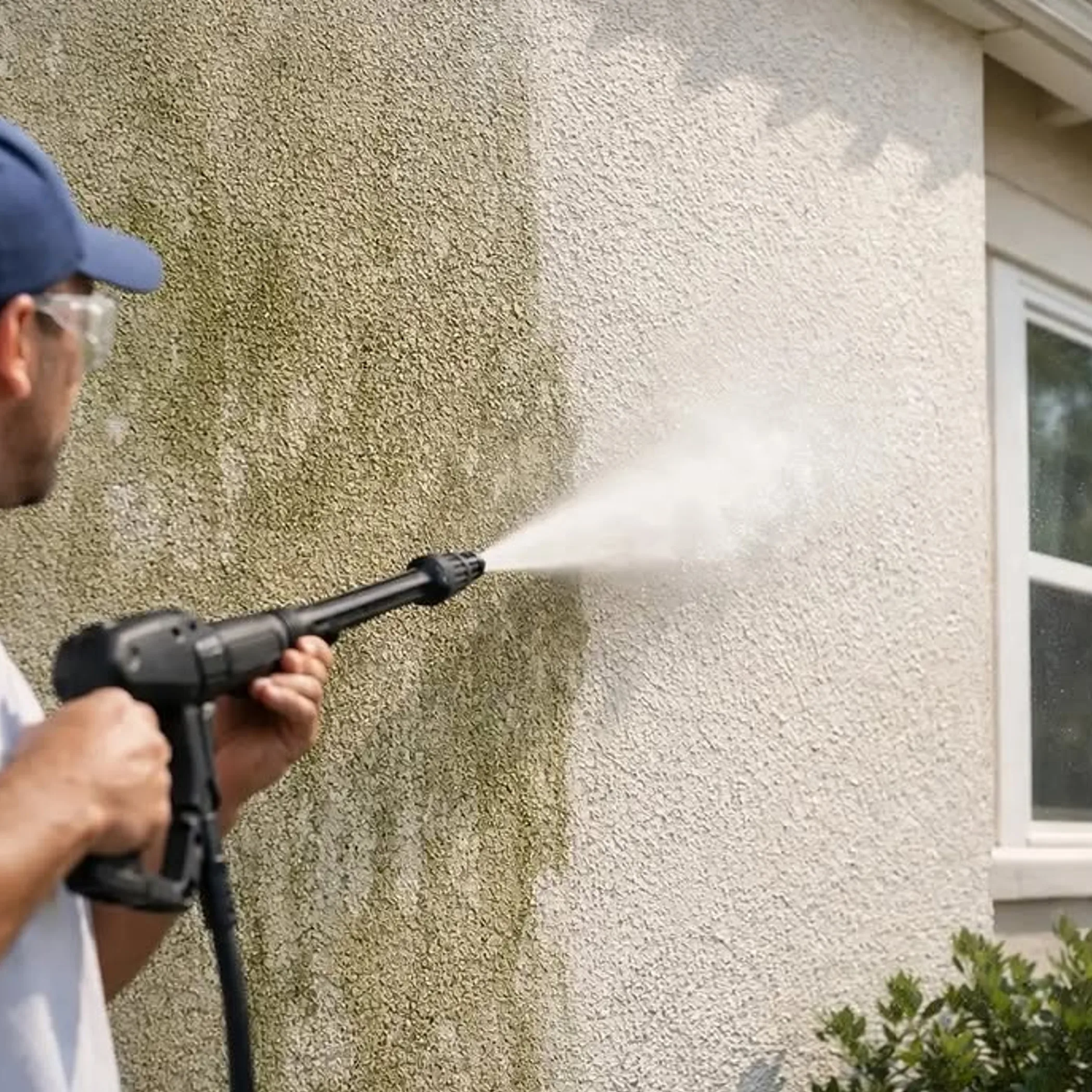
Make a printout of this, take a screenshot or put some notes on the back of an envelope by the billy. A pre-start routine will save you from rookie errors and the kind of mess that begets yet another cleanup.
- Check over the machine, all fittings and cords, the gun, fuel, water and hoses.
- Don your PPE: covered clothing, boots, gloves, eye and hearing protection.
- Clear the area of pets, children, cars and anything electrical. Do a sweep and decide where runoff is to go.
- For electric units an RCD/GFCI safety switch is a must, petrol ones are for open and ventilated outdoors only.
- When you get going, put both hands on the wand for stability and start with a test patch using the widest nozzle you can.
- Under no circumstances use a ladder with the washer.
- If wastewater is making its way to stormwater or the surface is taking a beating, stop.
Liliana’s Take
In this guide I would want you to come away with the notion that judgement is what makes for good outdoor pressure washing, not brute force. Be more gentle than you feel like, suit up and watch where the water is headed.
It is practical common sense, with discipline, that underpins pressure washer safety in Australia. Follow that and you stand a better chance of a clean job without putting yourself or your property, or what lies beyond the front gate, at risk.
Frequently Asked Questions

As a rule these are put to me after someone has hauled the machine out and discovered things are not as straightforward as they thought.
What Are The Safety Rules?
Wear the right PPE and keep people and animals at bay. Have firm footing, control the pressure and nozzle, manage your runoff and steer clear of electrical hazards. One does not point the spray at skin, nor run a petrol model in an enclosed space, and ladders are to be avoided.
Is An Outside Tap Necessary?
For the most part domestic models require a steady supply of water, typically from a garden tap, though the model will dictate the arrangement. See what the manufacturer says. From a safety standpoint you want good flow and secure connections so there are no leaks or kinks to make the pump unstable.
What PPE Do I Need?
Gloves, non-slip closed boots, long clothes, goggles and something for your ears are the bare minimum. More may be called for should you be using chemicals or if the SDS indicates a need for respiratory gear.
Are There Surfaces To Avoid?
Painted timber, soft stone, any mortar or render that is loose or damaged, window seals, fragile screens and electricals. Where water could lead to mould or structural issues, proceed with care. A lower-pressure method or a test run is in order for anything flaky, cracked or that has been patched.
Petrol Or Electric: Which Is Safer?
One is not inherently safer than the other in all circumstances. With an RCD/GFCI in place for the outlets and cords, an electric is often preferable for suburban work and eliminates the carbon monoxide risk. But a petrol unit is more portable and has no cord to trip over, provided it is handled with care around the hot engine and fuel and confined to well-ventilated areas outside.