
There is an old adage that a pressure washer is more than a noisy bit of garden equipment. In truth it can be the cause of electrocution, lacerate skin, put water where it should not be under the tissue, or ruin a surface. Be too casual with it and you will have a slip-and-fall circus on your driveway. That is the reality of high pressure exterior cleaning safety in Australia.
The abridged list of what to do: select a pressure washer suited to the task, put on the appropriate PPE, have an RCD to shield your electricals, manage any runoff, do not be on a ladder and make sure the pressure is right for the surface. Should you see anything amiss with the seals, triggers or hoses, put a stop to it at once. As Liliana Ashcroft would say, “she’ll be right” is no way to run a safety system.
An Afterthought Is No Way to Go About It
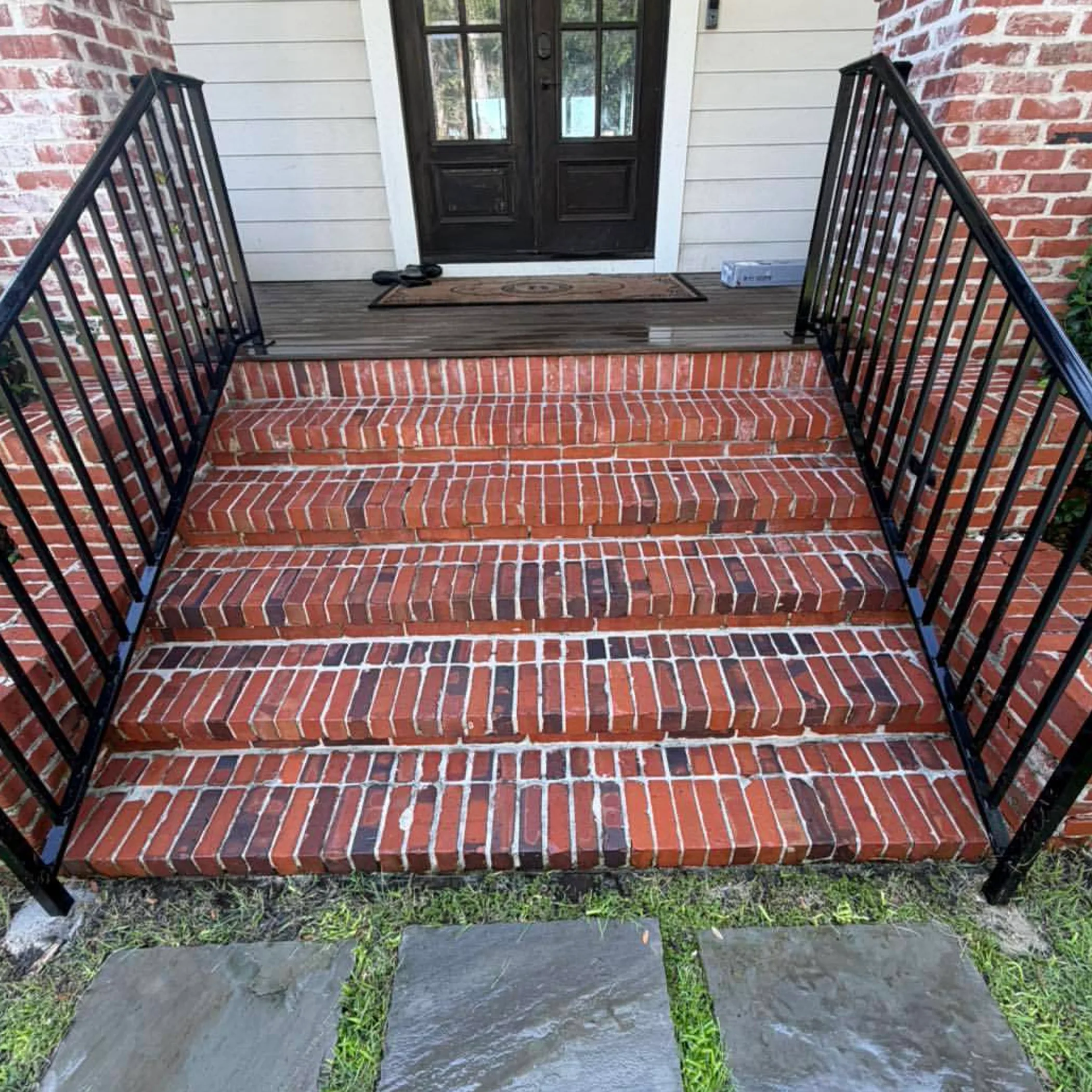
Stand on the footpath and the whole business of exterior cleaning seems straightforward enough. The water does its work, the grime is gone and there is a sense of accomplishment. Yet when it comes to the safety of high-pressure jetting, one has to be mindful. The same force that removes mould from concrete will in seconds shred paint, drive water into wall cavities or leave you with an injury.
Then you have the conditions here in Australia which can compound the risks in a hurry. Between the heat, stormwater drains, chemicals, sloping driveways and extension leads, there is plenty of trouble to be had. Professional operators these days do not wing it; they rely on hazard identification, safe work method statements and thorough equipment checks.
Hazards You Need to Know
Sure, getting wet is a concern but that is minor. More insidious are the ones that come at you quick: injection injury, the threat of electrocution, hearing strain, debris in flight, contaminated runoff and falls.
It is easy to be lulled into thinking the machine is under control until it is not. A touch of kickback on start up, a fitting that is cracked, or a misstep on algae encrusted concrete and the job is ruined.
The Dangers of Laceration and Injection
Do not be fooled by a small wound if you have suffered a high-pressure injection injury, it is an emergency. The external mark gives little indication of the damage done internally by water, dirt or chemicals being forced under the skin. Never aim the lance at another person or yourself and consider a near miss a warning.
With the likes of Pumps Australia, RM-Suttner, The Jet Co and Melbourne Jetter Centre, component pressure ratings are of paramount importance on site. The hose, gun, nozzle and fittings have to be rated as a system. Do not go about putting together parts that “fit well enough”.
Wet Work and Electrocution
In Australia the combination of outdoor power, water and the odd old household circuit makes electrical safety with a pressure washer a big deal. An electric unit with no RCD, a lead in poor order or a badly placed plug can escalate a wash into something serious.
Safe Work Australia are clear in their guidance for hostile environments: test, inspect and protect your electricals. Their official work environment advice (see Safe Work Australia) applies to any wet exterior work where portable equipment and cords are subject to moisture.
Kickback and the Slip Factor
Power washing presents a fall and slip hazard that is all too common and not given enough credit. Put overspray, detergent and some pooled water on a surface and it is as slick as a pub bathroom post storm.
And there is the matter of recoil. Pull the trigger on a commercial model while overreaching and it will give you a hard jerk. Professionals will tell you to steer clear of ladders for that reason. We will get to that.
Debris, Noise and Runoff
You may not think the noise is so bad at first and forgo your hearing protection, but over the course of a long job the pumps and engines and spray will take their toll. With flying debris and paint flakes about, your eyes and ears are put to work.
Runoff is a quiet problem. On a commercial site or close to public drains you need containment and prevention because the wash water is full of oils, sediment, mould and detergents that will end up in the stormwater. The Right Protection
Do not put on the right gear for the sake of appearing official. It is to have the odds with you when things go awry, and they tend to. Your PPE for a pressure washer has to be commensurate with the machine, the surface at hand, any chemical mix and the environment.
You will see some put on a pair of old joggers and thin gloves from the garden and some sunglasses and think they are done. That is no way to call it personal protective equipment; that is optimism in the form of footwear.
PPE in its proper sense
In Australia an exterior cleaning job calls for certain basics: eye protection, boots with non-slip soles, clothing to cover bare skin and, if there is a lot of splashback or grit about, a face shield. Should you be using chemicals then waterproof gloves are called for, as is hearing protection for sustained noise.
Then there is the matter of principle. Companies such as BlueSafe, Jim’s Cleaning, Westlink Commercial Cleaning, Surface Rescue Adelaide and LicenceToClean would all agree in the course of their safety discussions that PPE is your final defence, not the first. You still want sound equipment and to operate with the right technique.
Make A Pre-start Check
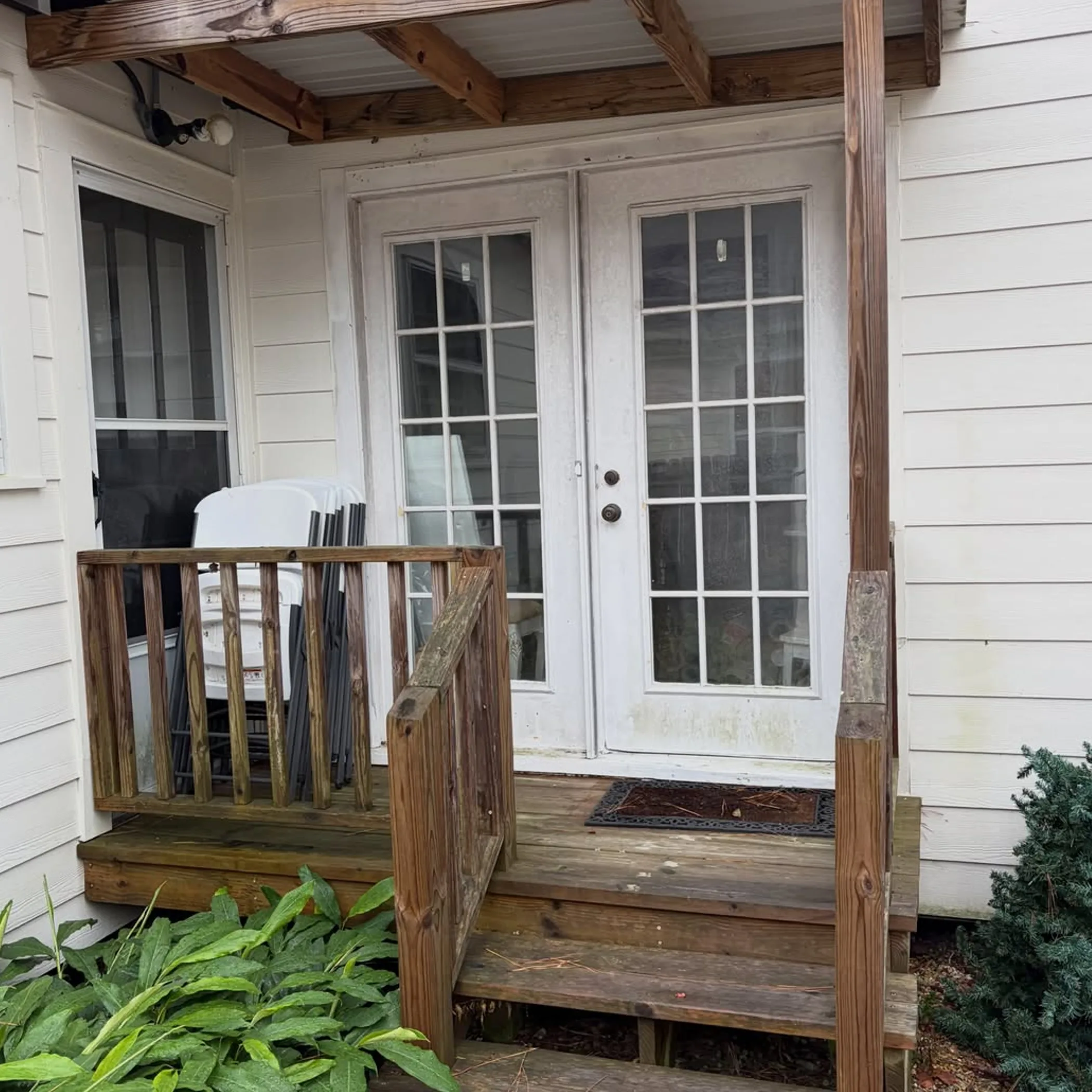
There is no point in touching the trigger until you have given the pressure washer and its accoutrements a once-over. Hoses, nozzles, seals, connectors, the power source and the gun itself should all be inspected. If the kit is in rough shape you have your answer. Liliana Ashcroft might liken it to looking at the weather before heading out into the hinterland, something of a bore but exceedingly useful. A hose with a split in it or a trigger that is sticky can get out of hand in short order.
What to look at
Any bulges, cuts or leaks, corroded fittings or a coupling that is loose. Make sure the dead-man control on the trigger gun is in working order so flow ceases on release; if not, the unit is off limits till it is mended.
Operating distance is another consideration. The type of nozzle and the material of the surface will dictate what is correct, but it is sensible to start back and work in. One cannot un-etch glass or un-fuzz soft timber after the fact.
| Hazard Area | What To Check | Why It Matters | Practical Response |
| Hose And Fittings | Leaks, cracks, couplings not secure, pressure rating | A failure here can mean an injection injury or a whipping hose | Put in new parts if they are worn |
| Electrical Setup | RCD, leads in good nick, dry plug points | Wet conditions and electrocution do not mix | Keep joins off the ground and use tested equipment |
| Trigger Gun | Dead-man control | To avoid uncontrolled discharge | If the trigger is sticky, do not use it |
| Surface Condition | Rotten timber, loose paint, fragile seals, cracks | Pressure washing can do damage | Test a patch and ease off the pressure |
| Work Area | Foot traffic, vehicles, pets, drains, trip hazards | Bystander and slip risk | Put an exclusion zone in place |
Electrical Safety
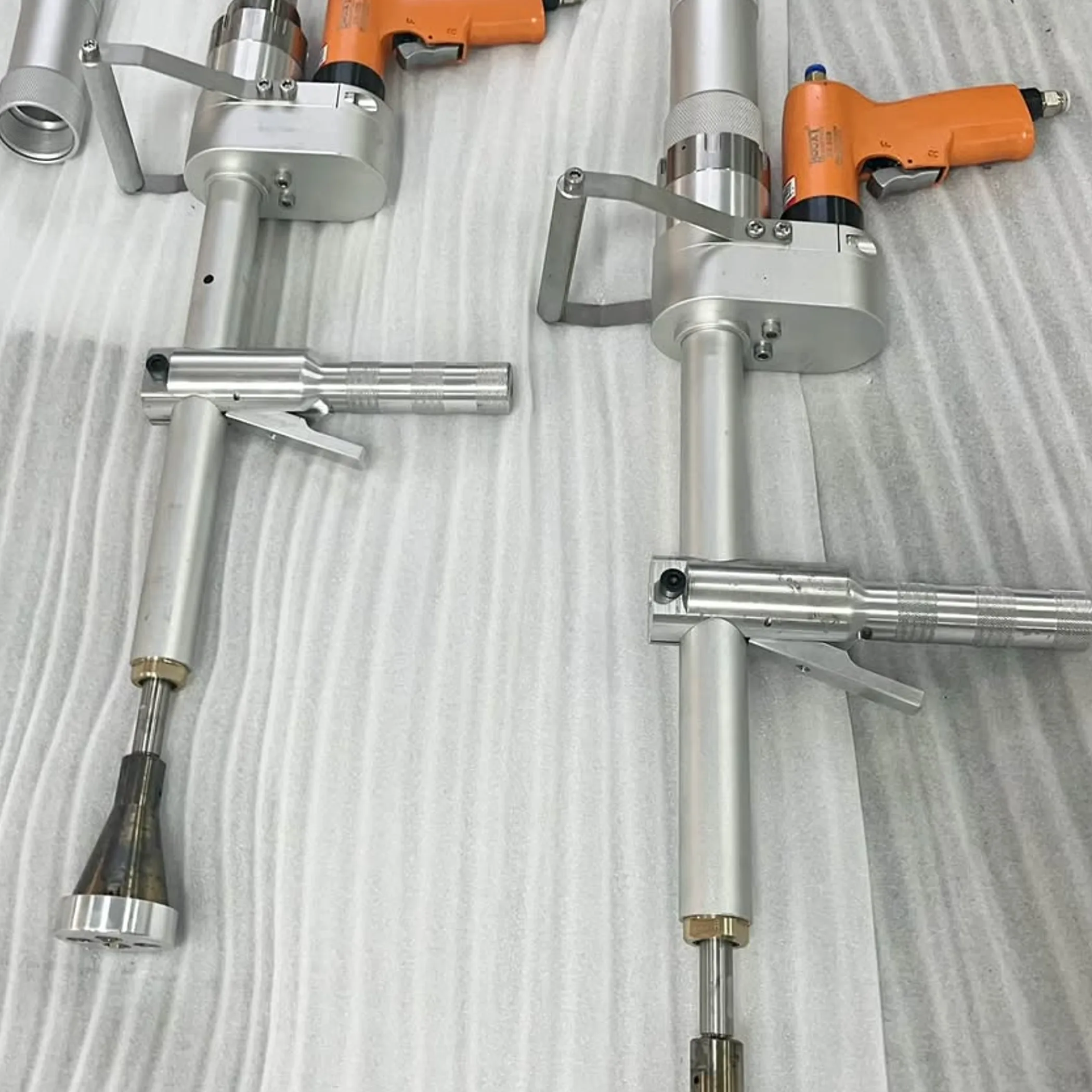
Water and electricity are a bad combination, so take note of that. It is not optional admin to ensure electrical safety with a pressure washer, it is what keeps a routine job from becoming an emergency. Have an RCD to hand, do not let leads be dragged through standing water and if there is any sign of damage to the extension lead or the machine, put the day’s plan aside and attend to the equipment.
When you have a wet environment you need to be in control. An electric pressure washer must be on an outdoor supply with RCD protection and cable joins kept from the spray path and the ground. Plan your route in advance rather than once you have made a mess of the area. On a big job the cabling is as much an issue as the machine; a cord over a sharp edge or a plug by a hose crossing is enough to catch one out.
Chemicals And Runoff
They may expedite the cleaning but chemicals have their own aggravations. You have to read the label, dilute properly, be aware of ventilation and store them with care. Do not think “outdoor use” equates to harmless.
And then there is runoff. In Australia the stormwater will make its way to a waterway untreated, so anything going down the drain is an environmental issue in the making.
Containment Is Better Than Guesswork
Runoff should be kept in check with methods appropriate to the site when one is dealing with paint residues, degreasers, detergents or mould treatments. Containment berms and wet vacuum recovery are options as are directing water into a landscaped area for absorption or putting a block on the drain inlets.
Scheduling is a matter of some practicality on domestic work. The prudent course is to put house washing in at a time when the weather is dry, visibility good and the wind mild, allowing surfaces to see off the evening dew. This will see to the management of runoff, give better control over the chemicals and take away any slip hazard.
Ladders: best to do without
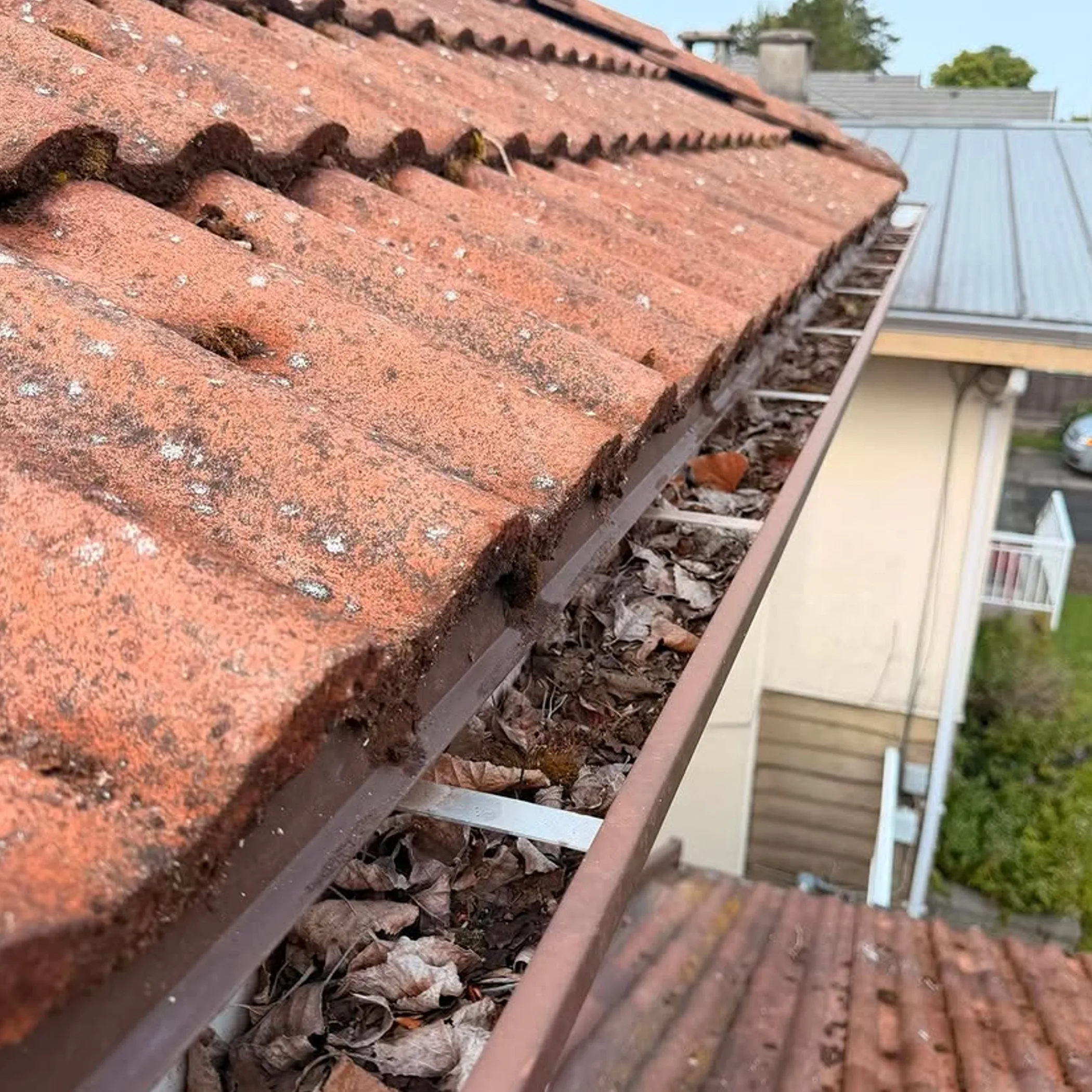
Many a person will not think twice about a ladder until he has a wobble part way up. One would be well advised to shun pressure washing from a ladder unless there is no other safe way and controls are in order. The force of the spray is enough to unseat you and a wet rung is poor company. The reality does not bear out what people expect of a quick job at the eaves; you find the lance pushing back and the surface slick while you are left to your balance with water in your face, all for naught.
There are safer ways to get the height you need.
For a lot of jobs an extension wand, telescopic tool, soft washing from the ground, scaffold or an elevated platform will serve you better. Be particularly wary on the roof, a slip on a steep pitch or brittle tile or painted metal can put an end to your day in short order.
If time is of the essence and you have to put things in order, start with the hard surfaces, paths and walls at ground level. Let those with the access gear and a proper SWMS Australia for pressure cleaning attend to the upper façades and roofs.
The surface will dictate the pressure
Concrete, glass, hardwood decking, render, roofing and painted weatherboards do not all take to the same PSI and nozzle angle. It is a mistake to apply more force because a surface is dirty; more often than not it is a case of exercising patience, picking the right detergent and a wider fan nozzle for longer dwell time.
Damage comes easily if you are not careful. You can etch concrete by being too close for long, or mark glass at a weak seal. Painted joints can be forced full of water and peel, timber will splinter or fur, and roof tiles may be deprived of their coating or crack. Do a test run on some inconspicuous spot to begin with and make your adjustments to the flow and distance before you go at the whole thing. Those in the know at Pumps Australia and RM-Suttner would tell you the technicalities of system and nozzle setup have a bearing on output that is underappreciated on site.
Official guidance and SWMS
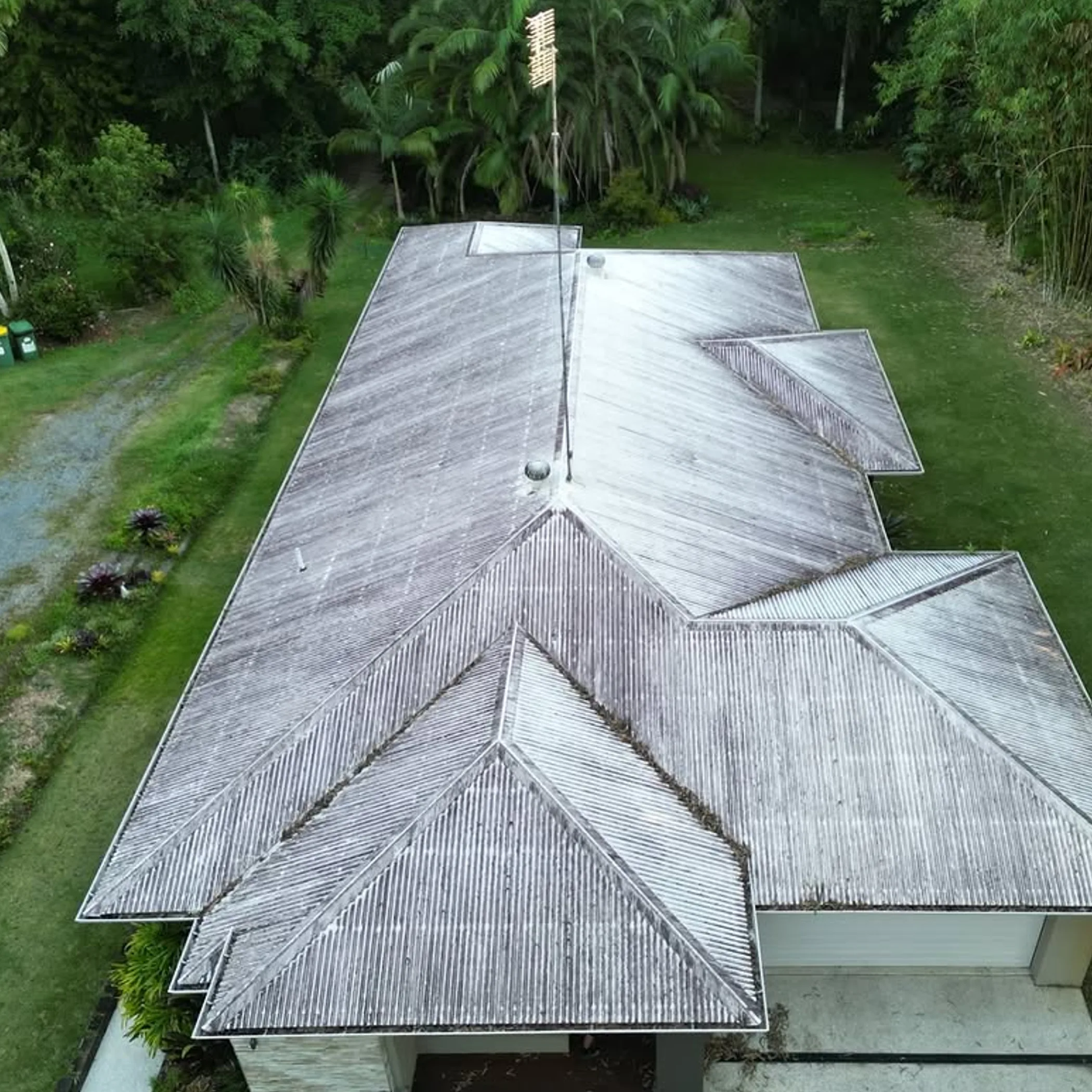
On an organised commercial site or where the risk is higher, a safe work method statement is more than a formality. It is the means of laying out the plan so all are aware of it before the spraying commences, identifying hazards and the like. A SWMS document for pressure cleaning in Australia ought to deal with everything from PPE and exclusion zones to chemical use, plant and equipment, traffic and runoff, and emergency response. Employers and contractors would do well to look to WorkSafe Victoria for the latest state duties and guidance.
You can tell a professional from an amateur by the planning. A sound SWMS will have the answers to the nitty gritty: what machine is in use, who is doing the work, how the electrical is safeguarded, where first aid is to be found, who keeps the bystanders at bay and what the protocol is for a high-pressure injection injury. You will find the likes of The Jet Co, Melbourne Jetter Centre and LicenceToClean in this industry; they are all working in an environment where you cannot afford to be sloppy and the process is everything.
Real-World Job Tips
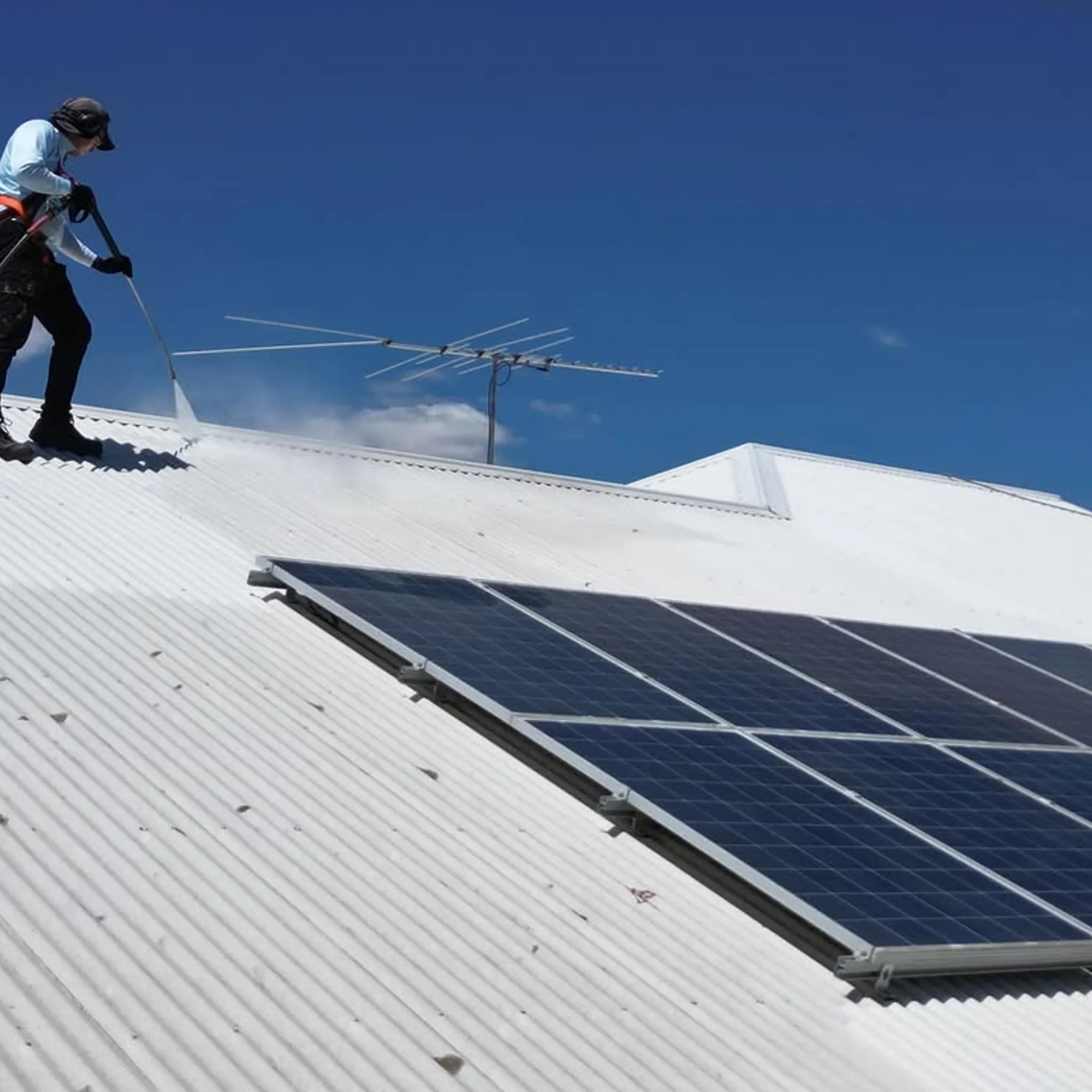
Forget the glossy advice for a moment, here is what is of any use. A Brisbane morning will see the heat dry out a surface in no time while the operator gets worn down quicker. Do a job in the south on a cool day and you can expect algae to remain slick longer than one might think. Then there is the question of how safe the work is with the weather, light, slope, drainage and access being what they are.
Liliana Ashcroft would tell you the practical side is as important as anything in the textbook. Park so as not to have to run hoses over a public path. Make sure pets and children are at a distance. Allow yourself more time than seems necessary. When it comes to upper-storey or brittle roofs, chemical strength or runoff obligations, do not make a drama of your Saturday by not knowing what you are up against; get a qualified operator to handle it.
- Before you set up, put in some time walking the site to spot power points, drains, trip hazards and any fragile surfaces.
- Test a small area first and go with the lowest pressure that does the job.
- All electrical joins should be elevated and kept dry, with RCD protection in place.
- Proper PPE is non-negotiable, particularly for the eyes, hands, feet and hearing.
- Should conditions turn unsafe, put a stop to it and control the runoff.
A word from Liliana
High-pressure exterior cleaning is not a toy for the weekend, it is serious equipment and should be handled as such. The machine makes no distinction between a driveway in Brisbane, some Melbourne weatherboards or a shopfront out in regional Queensland. Physics is unforgiving and carelessness has its toll.
Stick to the basics and you are ahead of most: respect the surface, inspect your gear, don an RCD for the electrics, have your PPE on and manage the chemicals and runoff. Stay off ladders if you can. It is the sensible thing to do and, in contrast to a hasty pressure wash, it will stand the test of time.
Frequently Asked Questions
One asks these before turning on a pressure washer. There is nothing wrong with wanting some clarity now to avoid making a mess of things later.
What Are The Safety Precautions For Using A Pressure Washer?
Where called for, have on eye protection, gloves and hearing protection along with non-slip boots. Check your trigger controls, fittings and hoses. Bystanders should be kept at bay, never direct the spray at anyone and use RCDs on electric models. Use only as much pressure as is effective.
What Are The Australian Standards For High-Pressure Water Blasting?
That is a matter of the state duties, the industry, the equipment and whether the job is domestic or commercial. Operators in the field will be following manufacturer instructions and current work health and safety duties, including risk controls like a safe work method statement and electrical safety requirements. For official guidance you can look to Safe Work Australia or the relevant regulators in the state, say WorkSafe Victoria.
What Are The Safety Precautions When Cleaning Exterior Surfaces?
Hazard identification is step one: slip zones, loose paint, electrical points, drains and materials that are fragile. Test a small section and pick a nozzle and pressure suited to the surface. If there are contaminants or chemicals involved, runoff must be managed and public access controlled.
What PPE Is Required For Pressure Washing?
Gloves, clothing to limit skin exposure, good non-slip footwear and eye protection at the very least. For a noisy machine or a long job we would recommend hearing protection. Any PPE used with chemicals needs to be in keeping with the product’s safety directions.
Can Pressure Washing Damage A House?
It can. You can end up with gouged timber, etched concrete, water behind the cladding, cracked tiles or seals and paint that has been peeled. Hence the importance of a test patch, keeping your distance and setting the PSI to the surface.
See also: when to schedule house washing.