
One does not simply wing it at the reef; hence the need for some safety tips. The short version is to put in the right sun and stinger protection, be sensible in the water, hearken to every briefing and abide by the rules of the reef, such as looking but not touching. And for heaven’s sake, go with an operator that is licensed and has safety as a priority. Do all of that and you will sidestep the kind of dramas that befall visitors.
I am Liliana Ashcroft. My time in the saltwater of Tropical North Queensland has taught me that the reef is no place for the unprepared. It can be astonishing, but also hot and bright, and it will make quick work of any lazy planning. There is a certain calmness about the traveller the reef favours. This guide is meant to be of practical use: to tell you what to pack, who is best suited to these trips and where most people go wrong, so you do not find yourself in a panic, seasick or fried by the sun on your excursion.
Visitor Safety At A Glance
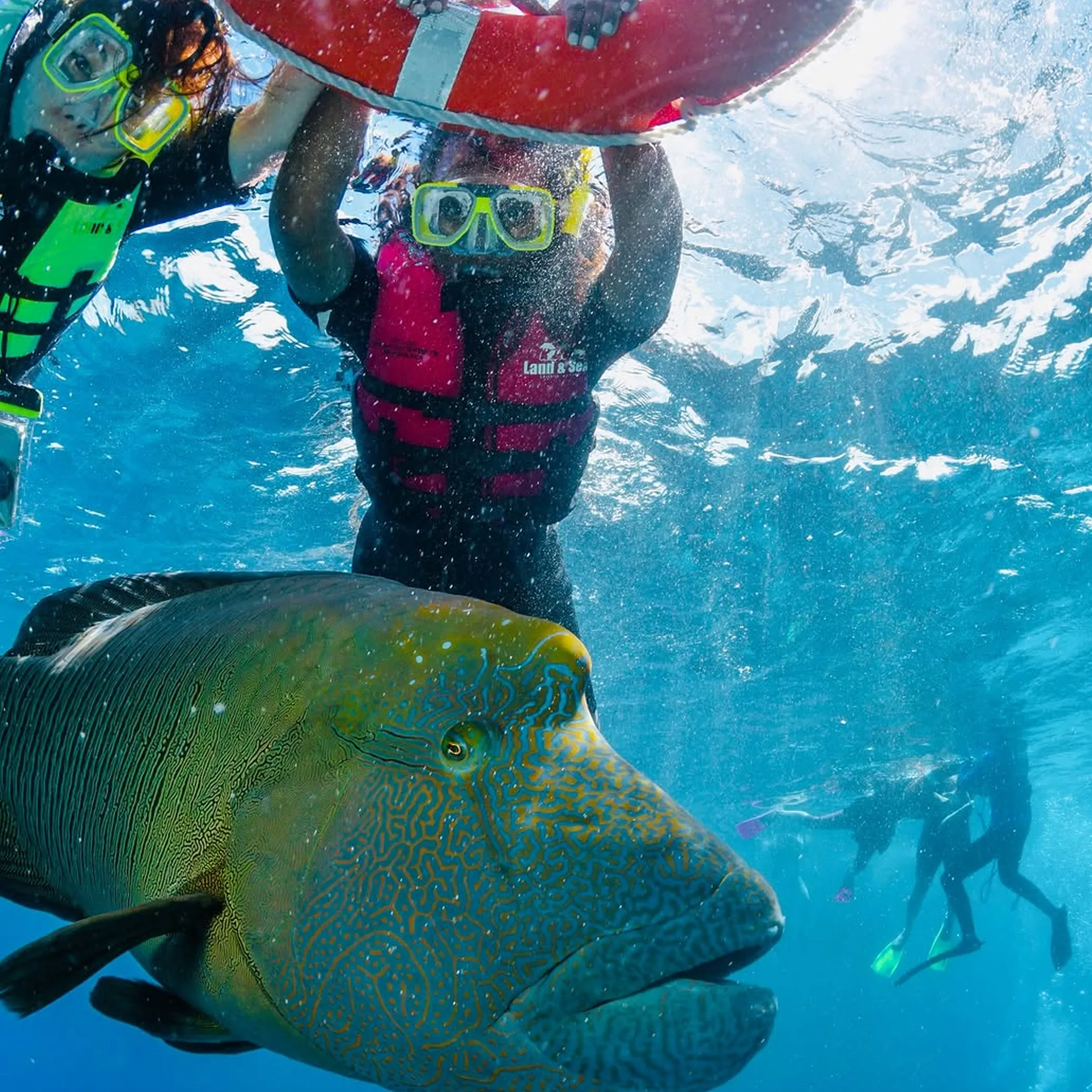
Families, older folk, the confident swimmer and the beginner will all find the Great Barrier Reef within reach. For those interested, day excursions to the Great Barrier Reef can be a wonderful option. Yet no trip is for everyone. You have to match the outing to your comfort on a boat, your tolerance for heat and how you swim. With conditions differing from one site to the next and depending on the season and your point of departure, the safest bet is the one properly suited to you.
You will see incidents that are entirely avoidable. Overconfidence, dehydration, a poor technique with the snorkel or seasickness will get you. Some will not pay attention to the briefing under the assumption the day will be as flat as a pancake. Occasionally it is, then again by morning tea it can be rough as guts.
Who Should Be Making These Trips
The likes of first-time snorkellers and casual swimmers will have no trouble with most of the island or outer-reef tours run out of Green Island, Port Douglas or Cairns, as long as they are forthright about their fitness and do as the crew say. But if you have any of the following – asthma, heart issues, anxiety in open water, mobility constraints, an ear problem, recent surgery or are pregnant – put in a call to the operator to see if you are suitable before you book.
Not up to deep water? Then opt for a pontoon or island trip where there is staff in the water, flotation aids and shallower places to snorkel. As for diving, be realistic. An intro dive for a novice is fine, but if a backyard pool makes you nervous it is not a good idea.
Expectation And Reality
You might think to hop off the boat and putter about like you are hosting a nature documentary. In reality you are climbing a ladder in your fins, trying to clear a foggy mask and saltwater from your nose while the rest of them look far more at ease. Nothing to it.
What tends to catch people is the length of a reef day. Between the early check-in and the travel, the wind and glare, the motion and a few swims in the tropical heat, it is a lot. Even those in good shape are wrung out by the time they are heading home.
Make Your Choice Ahead Of Time
Safety is something you should consider at the point of booking, not when you are on deck. A well-run day and a shoddy one are often separated by the quality of the briefings, the crew ratios, how they handle the weather and whether the operator is straightforward or just puts on a show.
For the official word on visitor rules and reef management, the Great Barrier Reef Marine Park Authority is where to look. GBRMPA is the authority on responsible practices and the zoning of the Marine Park.
Getting To The Reef
Tropical North Queensland’s Cairns and Port Douglas are the principal points of departure. If you have flown in and are putting up near the Esplanade and don’t have a car, Cairns is generally the easiest option and has the most departures. Port Douglas is handy if you are already there and want a bit less travelling to certain sites, weather and operator permitting.
From Cairns you will board at the Marlin Marina or in the vicinity of the Reef Fleet Terminal for many tours. Give yourself more time than seems necessary. In the height of the holidays the city traffic is a crawl and parking a nuisance; operators will want you to have checked in well ahead of departure. Drive and you should be there 30 to 45 minutes to spare. With a rideshare put in a buffer, you will not be the only one making for the marina.
On Operators
Look for ones with visible safety procedures and that are honest in their description of site conditions, offer flotation devices and put out clear medical guidance. There are the big names in reef tourism like Great Barrier Reef Tours, Cairns Discovery Tours or Mike Ball Dive Expeditions, but how well they fit will be a matter of the day’s conditions, what kind of trip it is and your own experience.
Before putting down a booking put some practical questions to them. Is the fare inclusive of a stinger suit for visitors? Do you have first aid on hand, and lifeguard type crew in the water? Is the site suited to a novice? And in rough weather, what does an open-water crossing actually amount to? Vague answers are reason enough to look elsewhere.
The Right Gear to Pack
You can leave most of your bathroom cabinet at home, but there are essentials to see off any discomfort that could turn into a safety concern. The elements to contend with are sun, heat, salt and motion.
- Swimwear, towel, hat and sunglasses; a long-sleeved cover-up
- A water bottle and light snacks where permitted, plus prescription meds
- Tablets for motion sickness if you are so inclined, as per the directions before you set off
- Reef-safe or zinc oxide sunscreen of a brand you have patch-tested
- Something dry for the journey back and a waterproof pouch for your things
Some would make the mistake of leaving seasickness prevention to the last minute of their reef trip planning and then feel crook for it. Better to be prepared.
Steady On The Boat
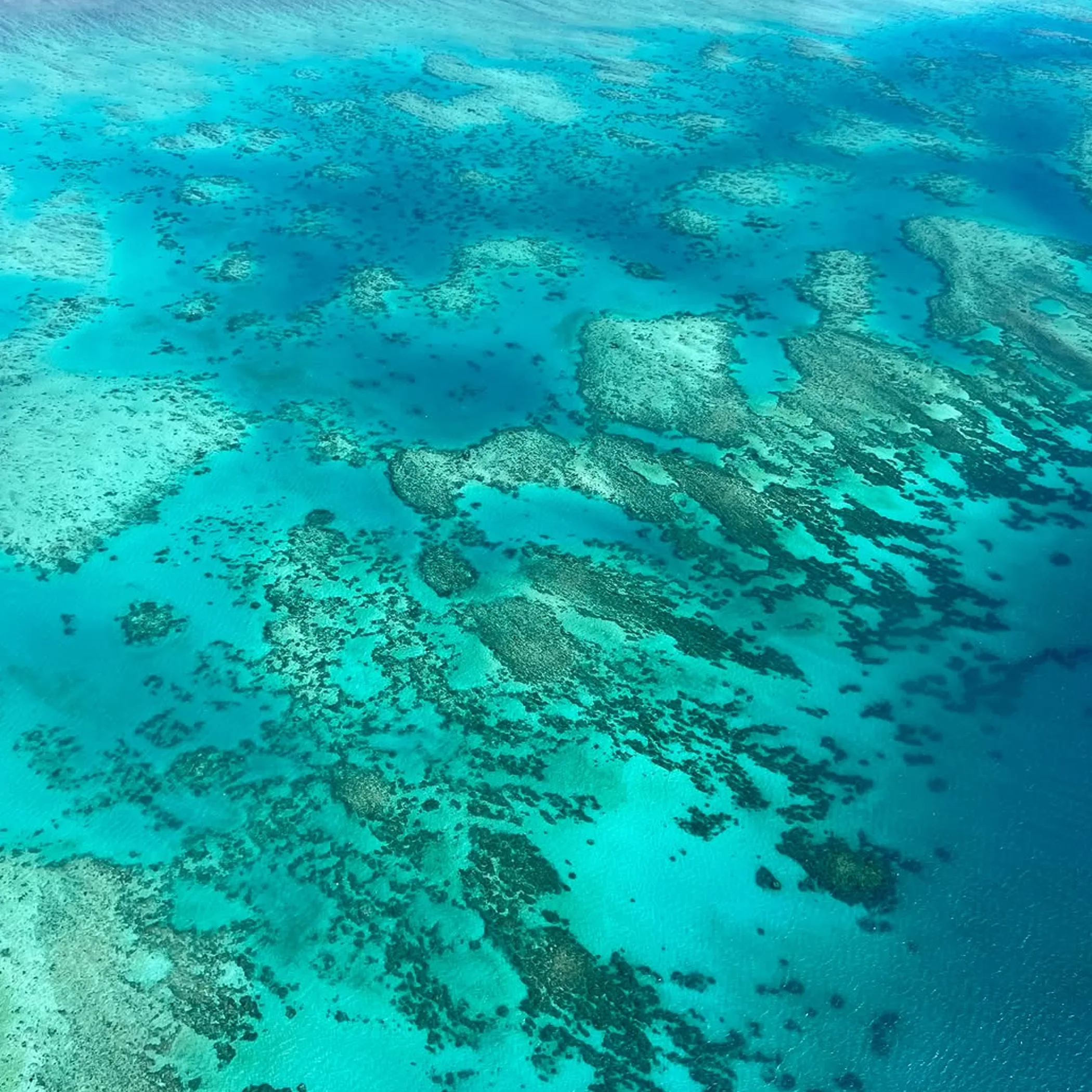
It is not complicated, but one has to pay attention on a boat. Do not think of the crew briefing as something to get through until the good part starts; it is there to inform you of the conditions, where to move without risk, where the lifejackets are and what to do should the weather change.
Crossings on a catamaran can be bouncy when there is wind or chop. For those susceptible to motion sickness, prevention is wiser than bravery.
No Drama About Seasickness
Heed the packet or your pharmacist and take your medicine prior to boarding. Get some fresh air outside, look at the horizon, and do not expect miracles after a greasy brekkie or too much alcohol the evening before.
Should you feel unwell, say something to the crew straight away. I have seen people put on a brave face and go pale all at once, only to find themselves in no state near a stairwell. The crew will be happy to oblige early on rather than have to restore your dignity by the side rail afterwards.
Deck Rules
Hold the handrail, keep a hand free on the stairs, put on shoes when asked. Do not impede the crew with their lines and gear. If the skipper wants you seated, you stay put.
Parents would do well to be on top of things. A boat is a noisy, slippery environment and with chips and soft drink in the mix, children can become feral in six minutes flat.
Snorkelling and Diving
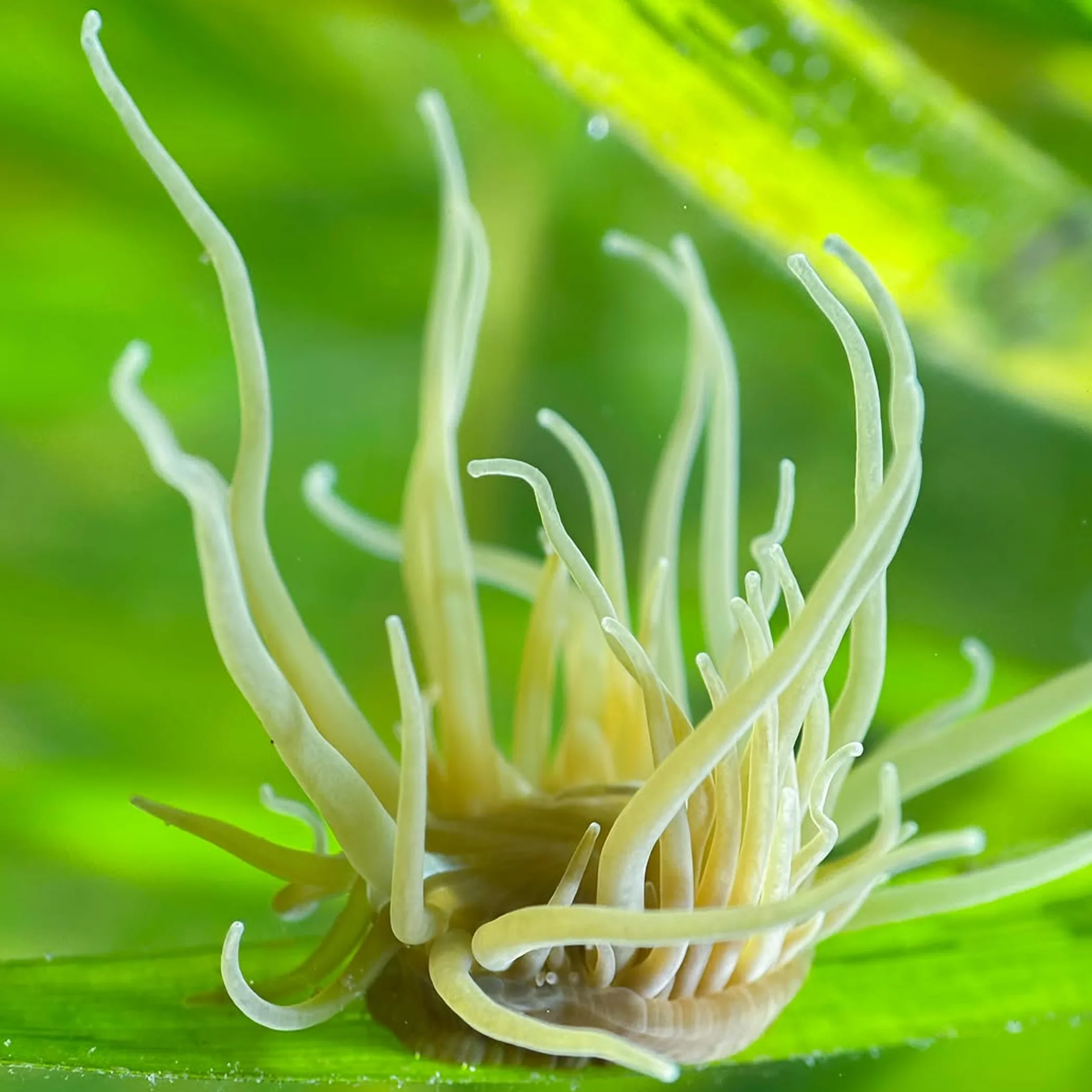
The rules of the road for snorkelling on the Great Barrier Reef are simple: use flotation, do not encroach on the coral with your fins, proceed at a leisurely pace and do not overreach yourself. First timers are better served making of the first ten minutes a practice session.
For a dive, whether introductory or certified, be forthright in filling out forms. It is a poor plan to conceal a medical problem for fear of being left out.
Where beginners err
They will stand on the coral, flail about, lift their head and spoil their position, or breathe hard. You are not in a surf carnival. Put your face in the water and float. Then there are the strong swimmers who forgo a flotation device out of pride and end up tiring from the current and chop. In a panic, roll on your back, let the crew know and just breathe.
Dive Safety
Take in the briefing from the instructor, check your equipment, equalise and never hold your breath. Should you be anxious or your ears will not co-operate, call off the descent, there is nothing to be won by forcing it.
An intro dive is not for everyone. Be very anxious in open water or unable to take direction and snorkelling is the sensible option; an operator worth his salt will tell you as much.
| Trip Type | Best For | Physical Demand | What to Watch | Cost (AUD) |
| Island Day Trip (Green Island etc.) | Cautious swimmers and families | Low/moderate | Shallow water complacency, the sun | 120–250 an adult |
| Pontoon Reef Trip | For beginners and those in mixed-ability parties. | Moderate | Heat, ladder use, repeated swims | AUD 220–380 per adult |
| Outer Reef Snorkel Boat | You will want to be a confident swimmer for this one. | Moderate to high | Seasickness, chop, fatigue | AUD 200–350 per adult |
| Introductory Dive Day | Suited to the confident beginner. | Moderate to high | Anxiety, ear equalisation, medical screening | AUD 300–500 per adult |
| Liveaboard Dive Trip | The domain of the certified or serious diver. | High | Fatigue, repetitive dives, weather changes | From AUD 900+ for the duration |
One should consider these figures as what the market currently runs in AUD, though they are only an approximation and will differ according to the season, reef location, where you depart from and what is included.
A word on Stinger Season
Visitors have a habit of underestimating marine stingers and jellyfish. In the warmer months of Tropical North Queensland the risk is higher, the locals would put it at any time between November and May. But do not rely on a calendar for your risk management, heed the operator and any local warnings.
It is no bar to going out, provided you are sensible and put on the protection that is on offer.
Put On The Suit
Should the Great Barrier Reef operator put in a recommendation for a stinger suit, then put it on. It may make you resemble a lycra sausage but it is preferable to an afternoon of regret over your sartorial choices while talking about nematocysts.
Then again, cover-up clothing is good for warding off the sun, so you can have it both ways. Make inquiry as to if full-body suits are part of the package, if there are children’s sizes, and whether the site calls for gloves or hoods.
Get a handle on the risk
There are medically serious species in northern waters, even if not every sting makes the headlines. Heed the crew and stay in the areas put aside for swimming; any sting is to be reported at once. Unless the trained crew tells you otherwise, leave mystery stings alone and do not rinse with fresh water, first aid is not a one size fits all and the crew will know the protocol.
Make an early start on the heat and sun

Sharks get all the attention when the real threats are dehydration, heat exhaustion and a bad sunburn. The open water reflects the Queensland sun and it is unforgiving.
Prevention is a dull business but effective. Before you are feeling headachy or a little vague you have already lost ground.
Hydrate and set your pace
Do not wait until after your second swim to put water in you. Have regular drinks and some shade between sessions. If it is a one day affair, one good snorkel with something left in the tank is to be had rather than three in a hurry and a limp ride back. I see the ones who have done too much the night before or have not had breakfast go to pieces quickest. Save the heroics.
Use your judgement with sunscreen
Be discerning with reef-safe options, do not take the label as gospel. These days many are steering clear of oxybenzone and octinoxate in favour of a mineral like zinc oxide. But a hat and a rash guard and some time in the shade are of equal import. Put it on well in advance of boarding and reapply after you have been in the water and towelled down. There is no point in having it in your bag, we have all been guilty of that.
The reef must be protected
Adhering to the visitor safety guidelines of the Great Barrier Reef is also how you ensure the reef is still there for the next party. Environmental protection and personal safety are one and the same; broken coral and fed wildlife present a danger to the ecosystem and to you. Responsible practice is not an abstraction, it is in how you use your fins and hands and deal with rubbish.
Hands off the coral
Coral is an animal and living tissue, it does not need to be touched by a fin or a standing foot. An ill-judged kick is enough to undo decades of growth. Stay horizontal and give the bommies a wide berth, only stand up if the crew has shown you a safe patch of sand. And leave the shells and marine life be, the Marine Park zoning and no-take rules are there for cause. Your operator will tell you what is allowed.
Some simple habits for the reef
- Pay attention to the briefing.
- Have your flotation on if confidence is in question.
- Fins and knees are to be kept from the coral.
- Make use of the boat facilities before you are in the water for long.
- Rubbish comes back with you.
- Opt for cover-ups and lower impact sun care.
- Leave the fish and wildlife alone.
- Confine yourself to the designated zones.
- Any problem with gear or a hazard is to be put to the crew without delay.
- And book with operators who abide by the sustainable tourism standards of the Great Barrier Reef.
A Word on Wildlife
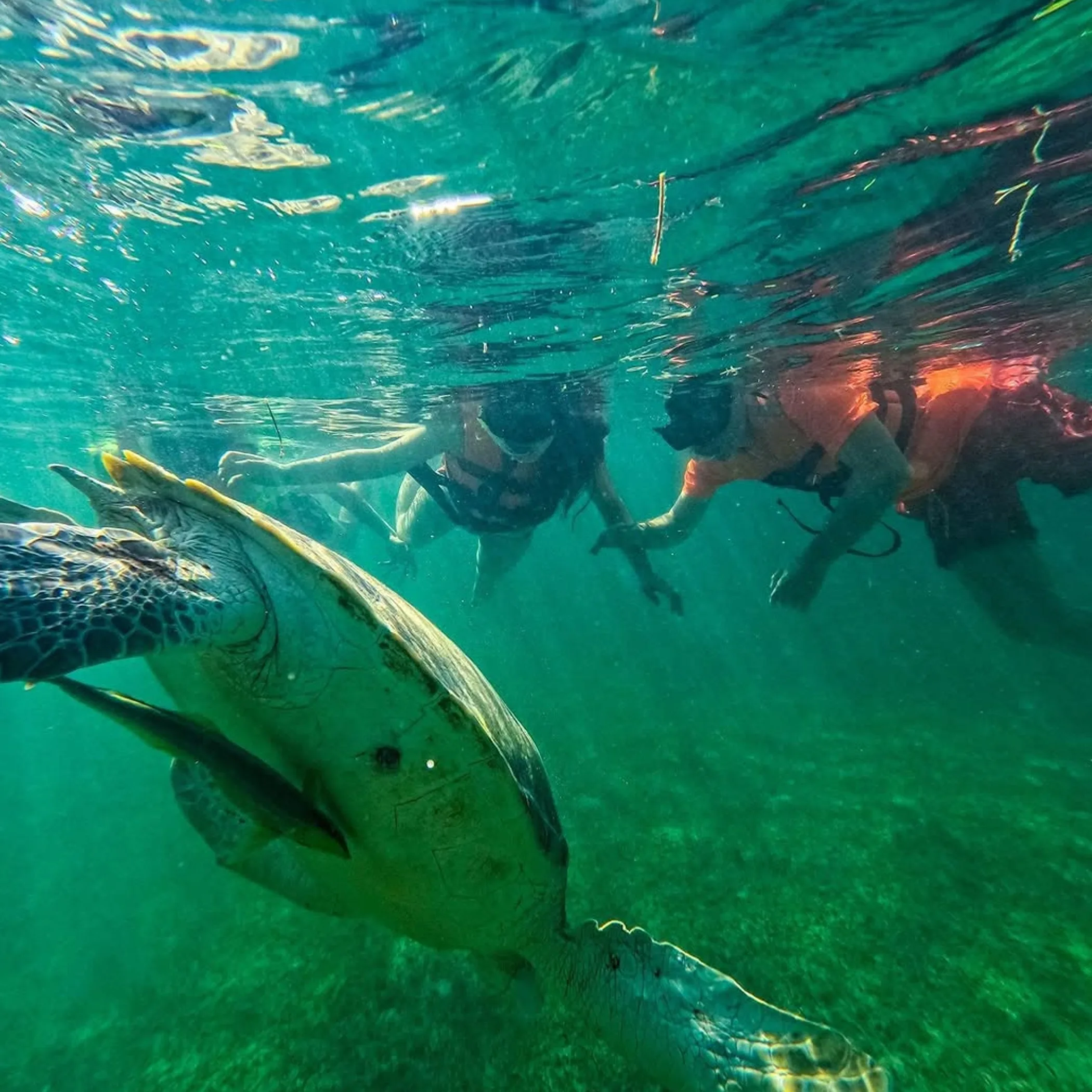
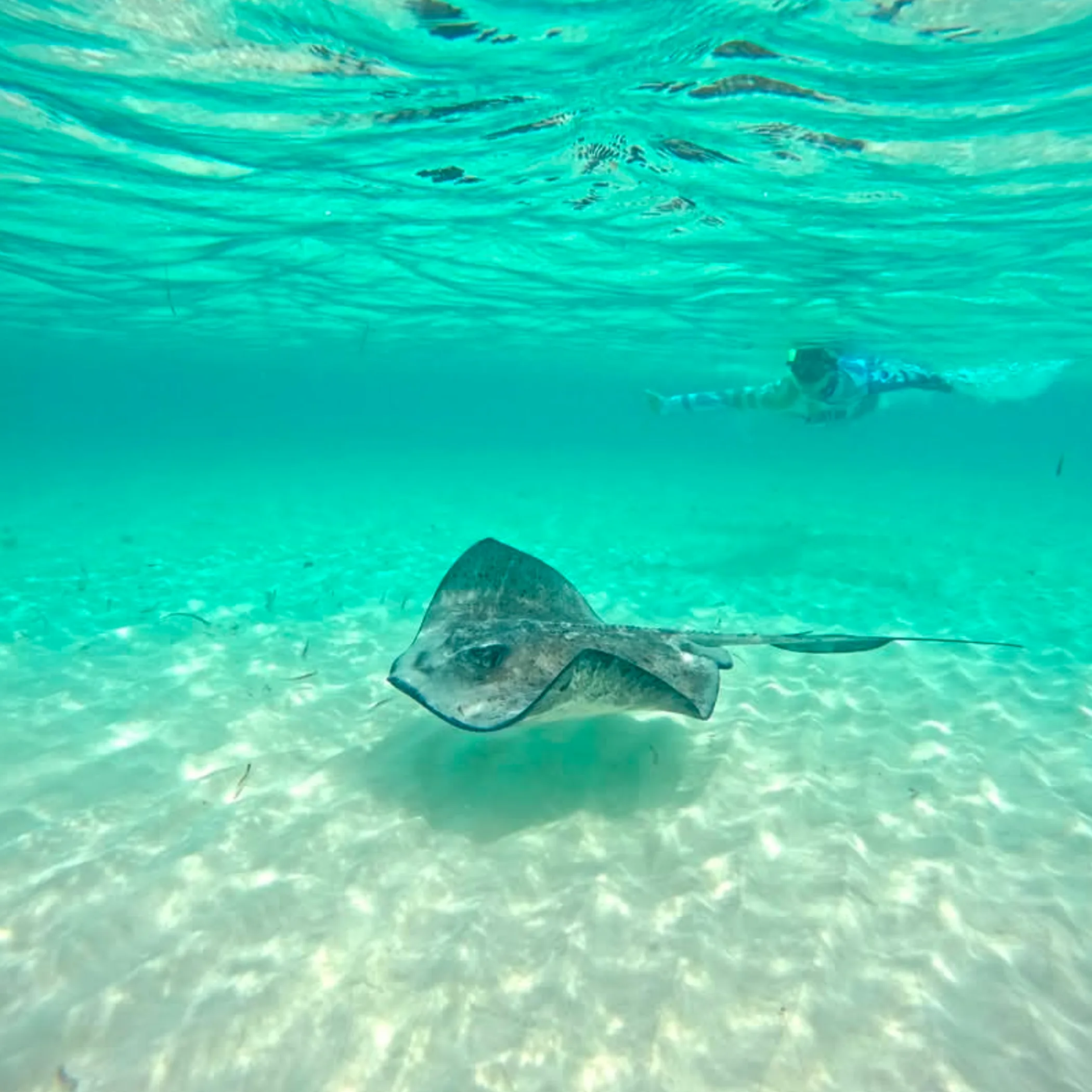
One of the attractions is the chance to come across a turtle, a ray or shark. But do not think of it as a saltwater petting zoo. The sensible thing to do is allow the animals to set the terms of any interaction and keep your distance; no sudden moves in their direction.
For the most part marine life has no desire to be bothered by you. Any trouble is of human making, from being unduly close for a picture or letting panic and grabby hands get the better of one.
Turtles, Rays And Sharks
Spot a turtle and just hover about quietly, out of its way while it feeds or comes up for air. Rays are to be treated with equal consideration, afforded some room if they are at the sandy bottom feeding or resting.
As for sharks on a reef trip, there is no need to make a blind dash for the ladder. A respectful distance is all that is required. Should the guide put you out of the water, do so in an orderly fashion and without flapping around. Wild splashing will only put the rest on edge.
The Emergency Basics
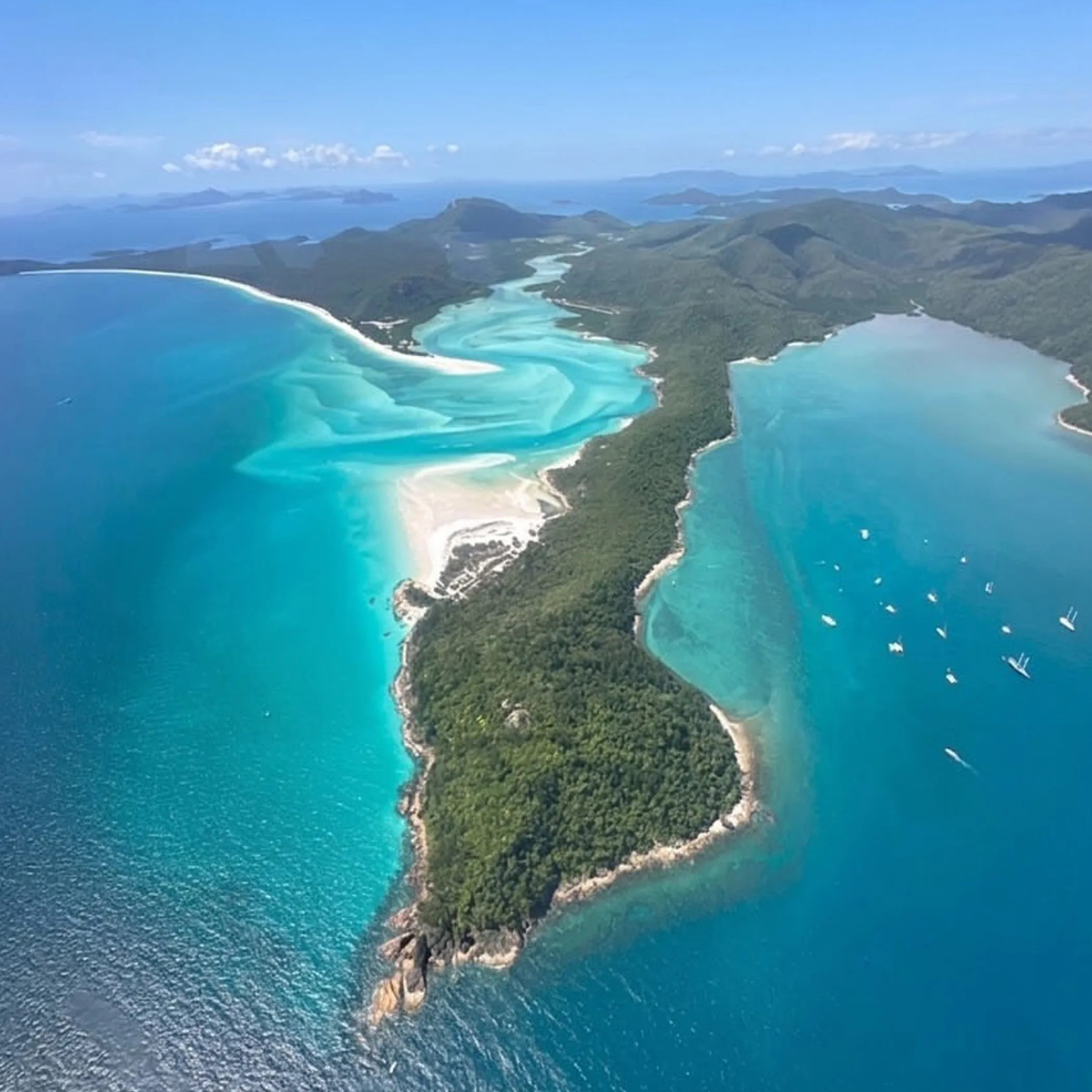
Reef operators have their first aid and comms and procedures in place. It is still incumbent on you to say something at the first sign of anything amiss, be it a sting, cramp, chest pain, shortness of breath, severe anxiety or simple exhaustion.
Pre-empting an emergency is what good response is all about. Put the staff in the picture as to your medical history, allergies, medications and how confident a swimmer you are before entering the water.
In Case Of Trouble
The crew will take charge of whatever needs doing: getting you out of the water, tending to you and arranging further assistance. In a serious matter this could mean an ambulance or marine rescue once you are back on shore or through the proper channels at sea.
Do not minimise symptoms to spare us the bother. I have had people make apologies for dizziness and tightness in the chest as though they were an inconvenience. They are not; they are providing the crew with information to head off a larger issue.
Making For A Better Day
When it comes to a day out, a pontoon or outer reef excursion from Port Douglas or Cairns is hard to beat for the novice. You get the whole reef experience with the added benefit of shade, flotation and supervision.
If you are not a beginner then fast boats in poor weather and advanced dive plans may be your cup of tea, but there is no disgrace in opting for the more straightforward affair. It is the wiser and more pleasurable option.
I would put it this way: the Great Barrier Reef is best taken with some humility and common sense. Put on the ridiculous suit, have a drink of water, ask your questions and leave the coral alone. Then you can be sure the day is memorable in the way it should be.
Frequently Asked Questions
What Is Not Allowed In The Great Barrier Reef?
You will find rules against littering, feeding wildlife and touching or removing coral. Marine Park zoning dictates what can be done in no-take zones and where fishing and collecting are off limits. Heed the operator and GBRMPA for the area in question.
10 Easy Ways To Help Protect The Great Barrier Reef
Heed the briefing, stay off the coral, put on sun protection of a lower impact variety, do not feed the wildlife and make sure you take your rubbish with you. Remain in the areas you are meant to, pick an operator with responsibility, use your flotation so you are not standing on coral, put right any damage or unsafe conduct you see and abide by no-take rules.
Is There A Time Not To Visit?
There is no one time when visiting is out of the question. But if you are prone to seasickness or do not like the heat, or the thought of jellyfish season puts you on edge, you might want to forgo some trips. The hotter and wetter months can be taxing for some. It is a matter of finding the right operator and style for the conditions.
How Do You Keep The Great Barrier Reef Safe?
By being responsible. No harassment of wildlife, no littering, no touching or standing on coral and no taking marine life where you are not supposed to. Go with an operator who upholds the sustainable tourism standards of the Great Barrier Reef.
Will Reef-Safe Sunscreen Be Sufficient?
Not on its own. It is only one element of sun protection. The sun is apt to put a damper on the day if you let it. Reapply as you should, don a hat on the boat, make use of the shade between swims and put on a rash vest or long sleeves.